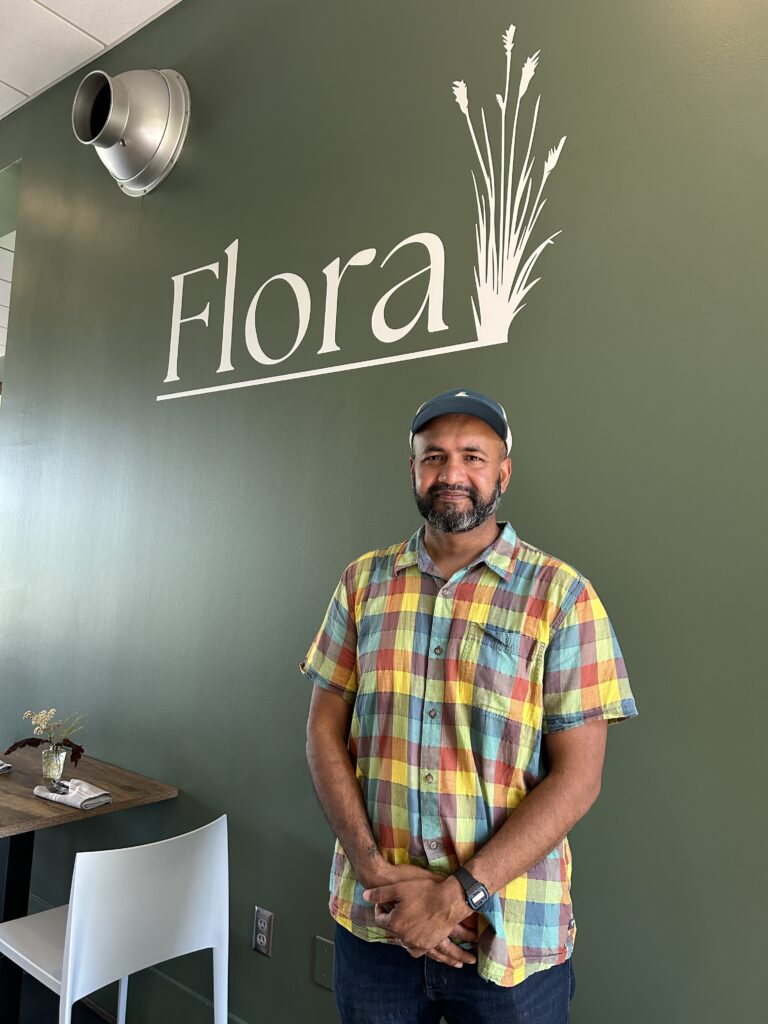
At 15, Suman Hoque left Bangladesh to study computer science in India and Thailand — the career path everyone around him expected.
“In our culture, everybody wanted to work with computers or be doctors or engineers,” he said. “Nobody wanted to be a chef.”
But Hoque couldn’t shake the pull of the kitchen — especially the flavors of home.
“I was always calling my mom and asking, ‘How do you make that?’” he recalled.
Eventually, that love for cooking won out. He enrolled in culinary school in Geneva, Switzerland, where he trained in classic French and European techniques.
That path led him to before heading to the United States. He cooked in resort towns like Vail, Colorado, and Jackson Hole, Wyoming, then at a farm-to-table restaurant in Pennsylvania, where he learned to appreciate just how much great food begins long before it reaches the kitchen.
Growing up in South Asia, his family always bought meat and produce directly from neighbors and local farmers. In America, food arrived on massive trucks.
“I was just always curious about who grows it here,” he said.
Finding Opportunity in Iowa
When Hoque moved to Des Moines in 2010 with his wife, Cynthia — then a medical school at Des Moines University — they expected to only stay until she was done with school. But Iowa’s agricultural landscape shifted their plans.
“The farm-to-table movement hadn’t quite caught on,” he said. “But I said, ‘You know what? It’s farmland. We have all kinds of stuff.’”
That abundance inspired the Hoques to open HoQ in Des Moines’ East Village, a historic downtown district, in 2012. Built on relationships with small Iowa producers, the restaurant sources roughly 90% of its ingredients within 40 miles. Only pantry staples like salt, pepper, citrus and chocolate come from outside the state.
“I know all the farmers,” Hoque said. “I can tell you where pretty much all my food comes from — meat, cheese, butter, cream. Everything.”
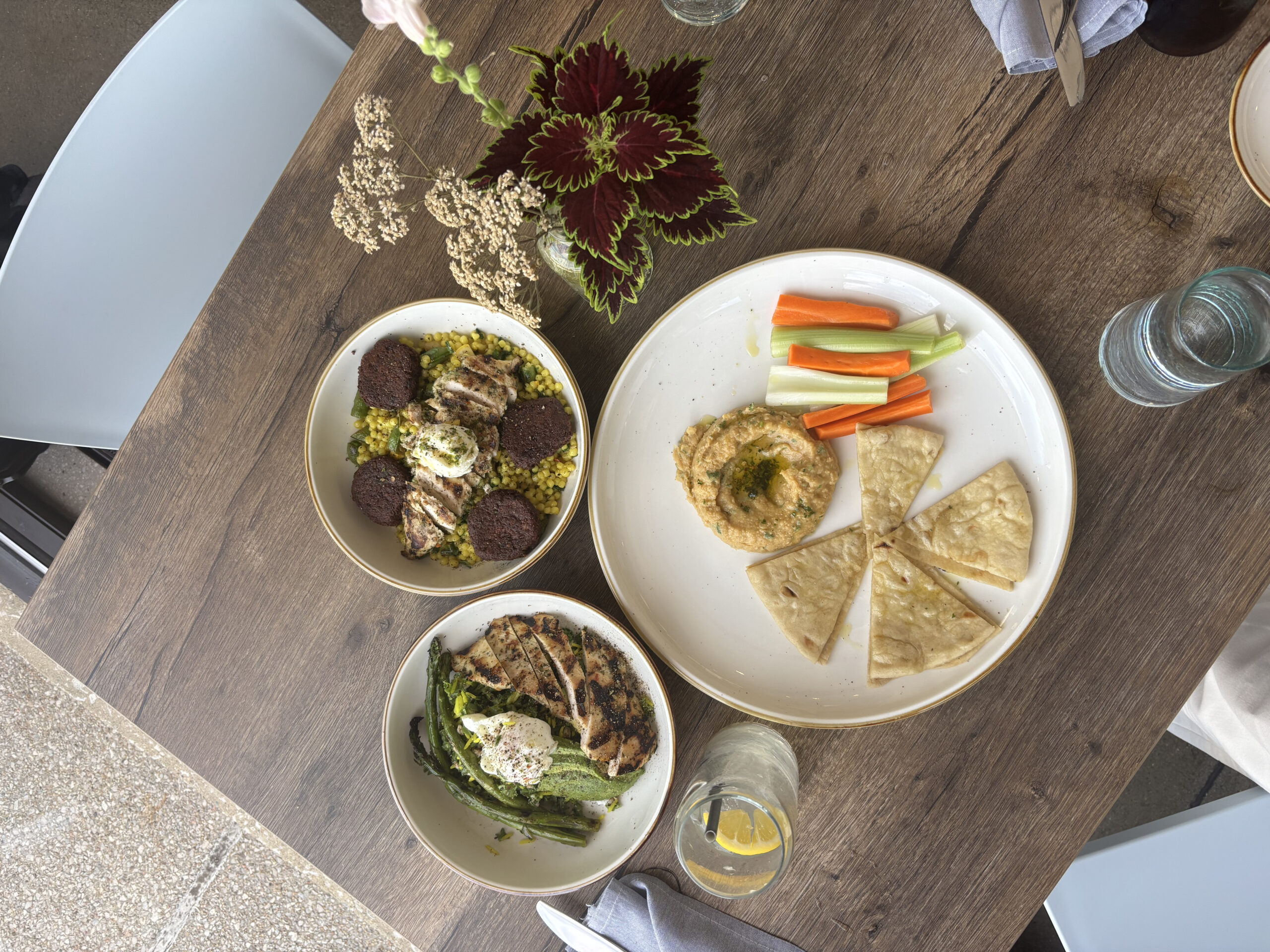
His cooking approach is simple. Most dishes rely on just five or six ingredients, letting Iowa’s produce shine. A Mediterranean bowl shifts with the seasons. His falafel uses lentils instead of chickpeas, the way his mother prepared it. And his butternut squash soup is little more than squash, onion, garlic, water and cream.
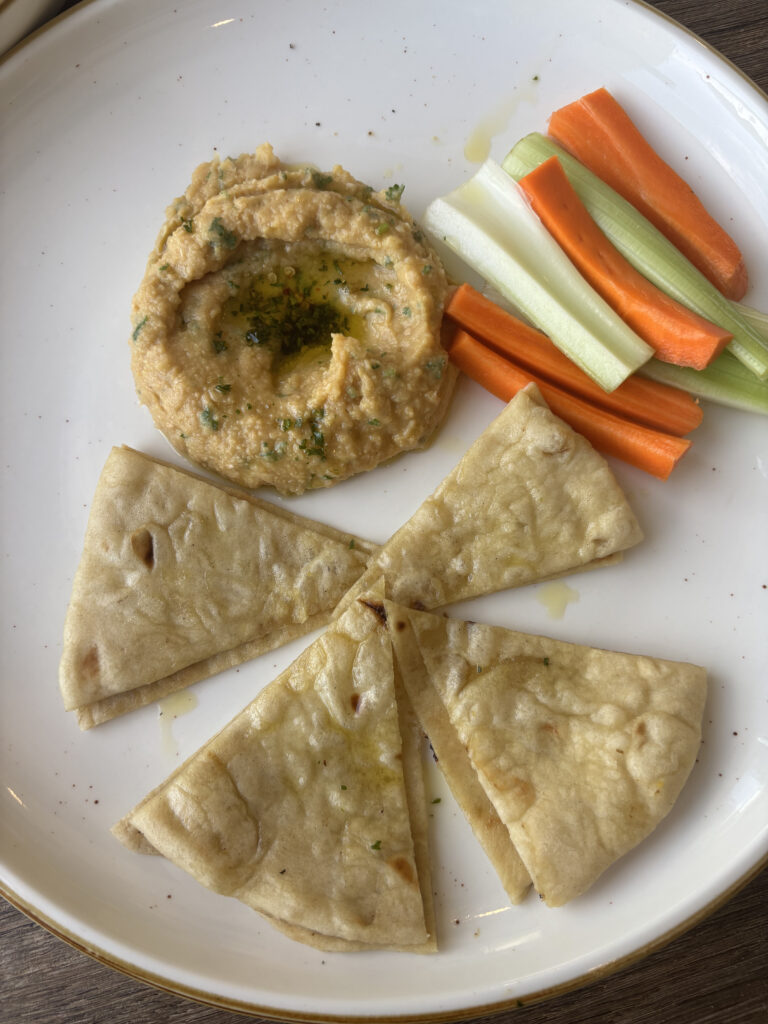
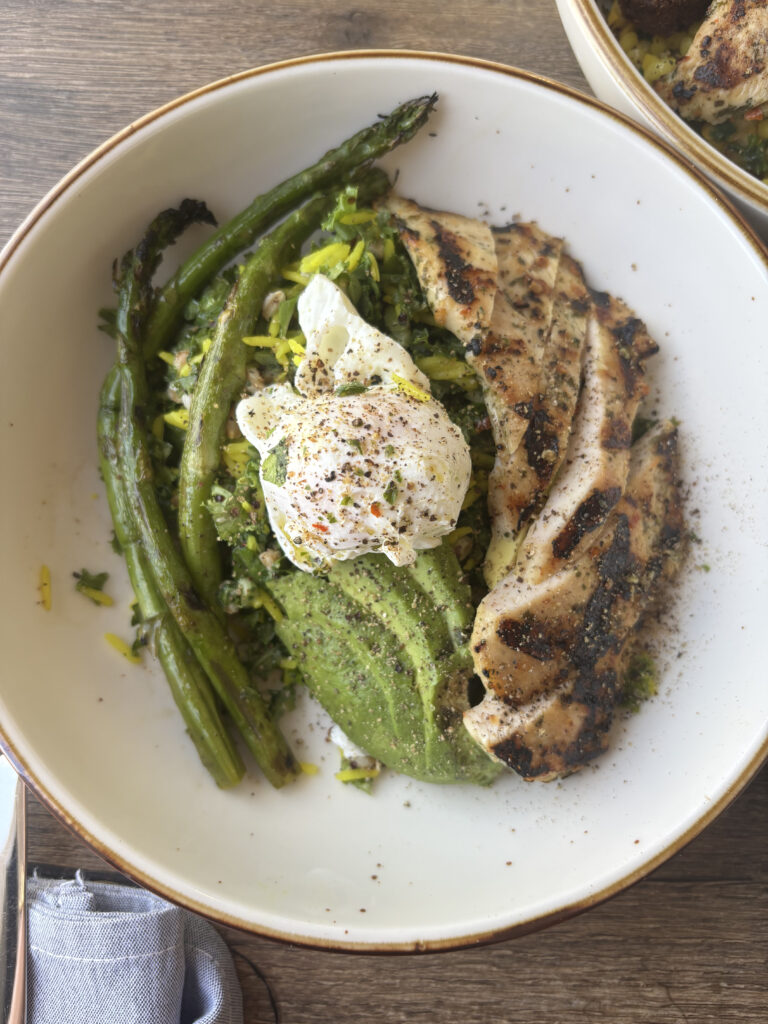
In late 2024, the Hoques expanded their vision with Flora, tucked inside the Greater Des Moines Botanical Garden. The setting reinforces his style — fresh, colorful plates with plenty of greens to echo the surrounding plants.
“At both restaurants, I always have some kind of green on the plate,” he said. “I think that pairs really well with the garden.”
Built on Community
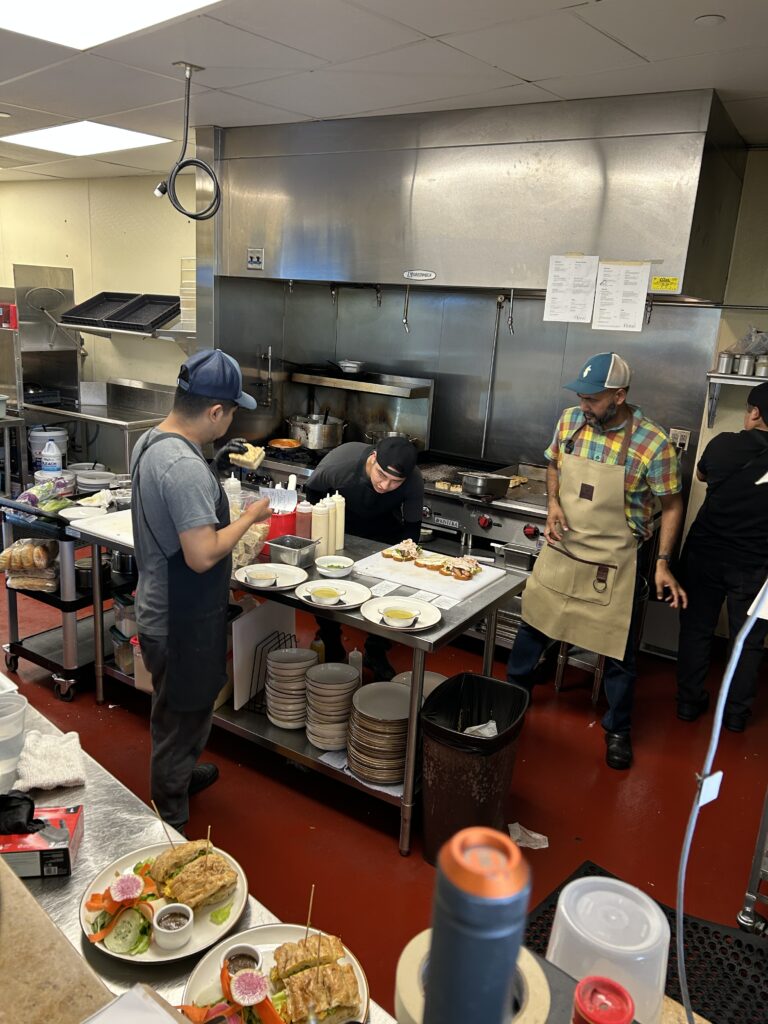
Launching a restaurant in a new city wasn’t easy, but Hoque remembers the community that stepped up to help. Fellow restaurant owners donated equipment — glasses, a butcher block, supplies — and business mentors coached him through a full plan before he secured a loan from the Small Business Administration.
“The cooking part is easy; running a business is the harder part,” he said. “People here want you to succeed.”
Sourcing from small farms requires more planning and flexibility, Hoque said, but those relationships are “the best part of the job.” Farmers regularly update him on what’s growing and what’s coming next. Winter menus demand even more creativity — tomatoes or asparagus, for example, aren’t available in January.
“Now people know that when they come to my restaurants, you’re not going to get something that’s not in season,” he said.
The culinary scene around him has grown, too.
“A lot of people are doing farm-to-table now, which is awesome,” he said. “It took time, but people are trying more to buy from the local farmer.”
‘Feels Like Home’
Through a pandemic, inflation and staffing shortages, Hoque has kept both restaurants thriving — while also serving farm-to-table meals at the Downtown Des Moines Farmers’ Market, RAGBRAI and the Iowa State Fair.
He laughs when he remembers his first Iowa winter.
“I was, like, in long underwear until May,” he said.
But weather aside, the state “feels like home.”
“People are so nice and helpful, supportive,” he said. “This is a good place for me.”